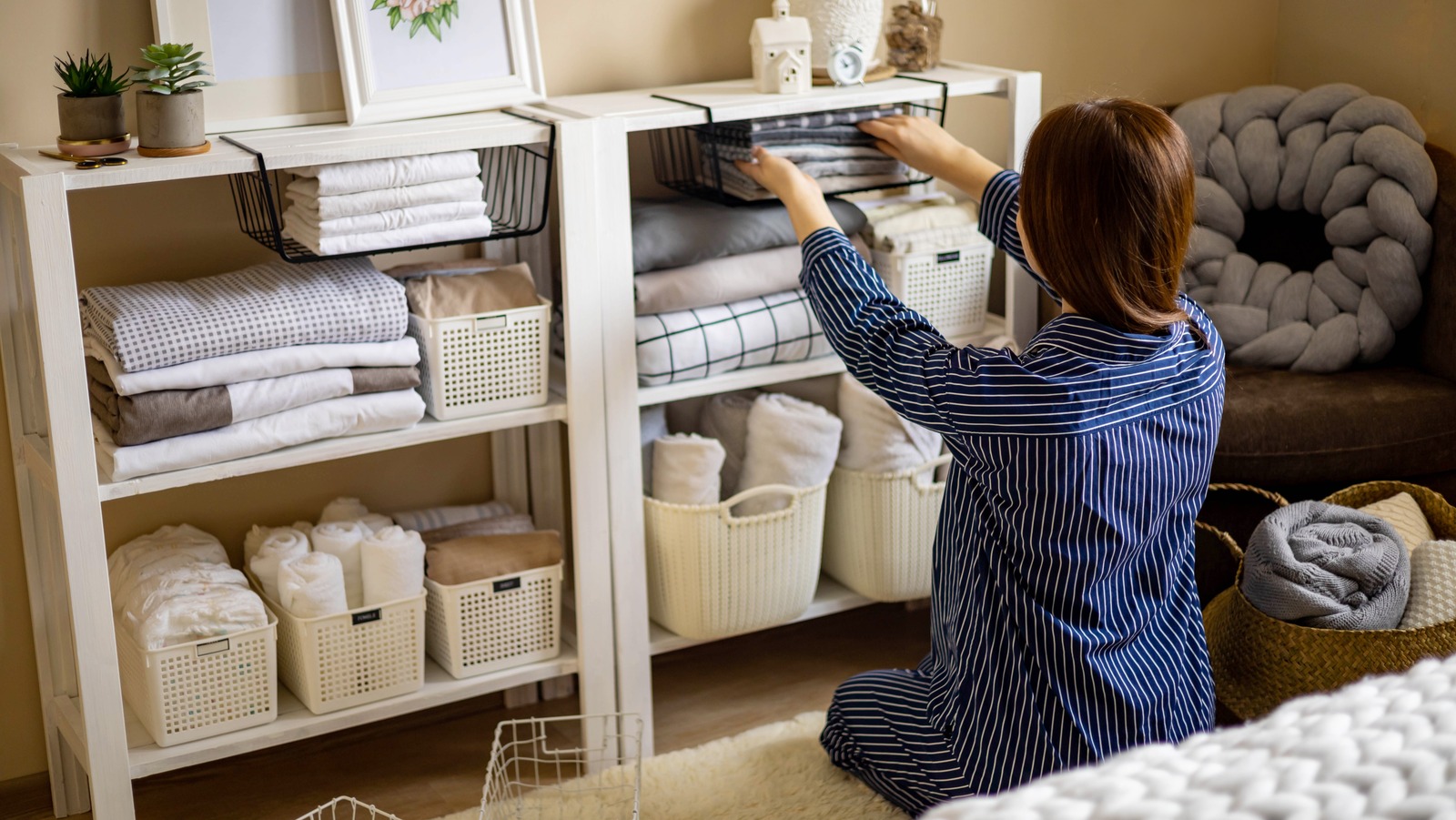
The cleanest homes aren't necessarily cleaned most often — they tend to have a few consistent habits in place.
One of the things you notice fairly quickly when you spend time cleaning other people's homes professionally is that the homes that stay cleanest between visits are rarely the ones where someone has been spending hours each week scrubbing. More often, they're the homes where a few small, consistent habits are in place — things that take a minute or two individually, but add up to a meaningful difference.
This isn't a revelation. Most people know, in a general sense, that small habits compound. But knowing it and actually putting a few good habits in place are different things. This article is about making it practical — what the habits actually are, and how to make them stick without it feeling like an ongoing chore.
The Core Principle: Address Things Before They Become a Problem
Most cleaning effort goes into addressing build-up. Grease that's been on the stovetop for a week. A bathroom that hasn't been touched in two weeks. A fridge that's been ignored for a month. The effort required to clean these things isn't proportional to the time they've been neglected — it's often several times harder than it would have been to deal with each thing shortly after it happened.
The core habit, then, is simple in concept: deal with things promptly rather than letting them accumulate. Wipe the stove after cooking. Rinse the sink after you've used it. Dry the shower surround briefly after use. These things take thirty seconds and prevent the build-up that eventually takes twenty minutes to remove.
The challenge is that it requires a slight shift in mindset — from "I'll deal with it during my weekly clean" to "I'll spend thirty seconds on it now." For most people, this takes a few weeks to become automatic, but once it does, it changes how much effort the weekly clean requires.
Room by Room: The Habits That Actually Make a Difference
Kitchen
The kitchen is the room where consistent habits have the biggest payoff, because it's also the room that gets dirty fastest.
Wipe the stovetop after every use. This is probably the single most impactful habit you can build. Fresh spills and grease wipe off easily. Grease that has been cooked on multiple times and sat for a week does not. A damp cloth after cooking takes thirty seconds.
Deal with dishes the same day. This doesn't mean immediately after every meal, but dishes that sit overnight tend to make the kitchen feel significantly more disordered. A clean sink is a strong visual anchor for how tidy the kitchen feels overall.
Wipe counters as part of your evening routine. A quick pass over the counters before bed — not a deep scrub, just a wipe — means you start each morning with a clean surface. It takes two minutes and has a disproportionate effect on how the kitchen feels.
Bathroom
Bathrooms tend to get either neglected entirely or over-cleaned in reactive bursts. Neither is ideal.
Wipe the sink and mirror a couple of times a week. These two surfaces are what most people look at every morning. Keeping them clean takes a minute and significantly affects how clean the bathroom feels overall — even when the toilet and shower haven't been touched recently.
Squeegee or briefly wipe the shower surround after use. Soap scum and water marks are much easier to prevent than to remove. A squeegee mounted in the shower and a thirty-second pass after showering prevents most of the build-up that makes shower cleaning a real chore.
Do a full bathroom clean weekly. Given the quick daily habits above, a weekly clean becomes genuinely fast — toilet, sink, and floor in fifteen to twenty minutes rather than forty.
Living Areas
Put things back where they belong before bed. This is less about cleaning and more about maintaining order, but the visual result is significant. Clutter is the most immediate thing most people notice when a room feels untidy. A ten-minute pass before bed, putting things back where they belong, resets the room for the morning.
Vacuum high-traffic areas twice a week. In homes with children or pets, floors gather debris quickly. A quick vacuum of the most-used areas a couple of times a week prevents the accumulation that makes a full weekly clean feel like a bigger task.
Deal with flat surfaces. Tables, kitchen counters, and the top of the dresser tend to become collection points for miscellaneous items. A flat surface that's clear looks clean even when it isn't. Keeping these surfaces clear is largely a habit of returning things to their proper place rather than putting them down on the nearest horizontal surface.
Bedrooms
Make the bed each morning. This one is discussed often enough that it sounds like a cliché, but it's worth including because the effect on how a bedroom looks and feels is genuinely large relative to the effort. A made bed takes two to three minutes and makes the entire room look significantly more ordered.
Keep the floor clear. Bedroom floors tend to accumulate clothing. A laundry basket in a visible, accessible spot makes a meaningful difference here — it removes the friction of getting things off the floor.
Building the Habits: What Actually Works
Knowing what habits would help and actually doing them consistently are two different things. A few things make a practical difference:
Attach new habits to existing ones. Wipe the stovetop while the kettle boils. Wipe the sink while you're already at the bathroom mirror. Tying a new habit to something you already do automatically reduces the effort required to remember it.
Keep cleaning supplies accessible. If the all-purpose spray and a cloth are under the kitchen sink, you'll use them. If they're in a cupboard in another room, you won't. Having what you need within reach removes the friction that causes small tasks to be deferred.
Lower the standard for "done." A quick wipe is better than no wipe. A two-minute tidy is better than waiting until you have thirty minutes. Getting things done imperfectly and quickly is, for daily maintenance habits, more valuable than doing them thoroughly but infrequently.
The Relationship Between Habits and Professional Cleaning
Many of our regular clients in Richmond tell us the same thing: since they started maintaining better day-to-day habits, they get more out of their professional cleaning visits. Because the daily clutter and surface mess is already handled, our visits go deeper — we're spending time on baseboards, fixtures, and floors rather than clearing worktops.
Habits and professional cleaning work well together. The habits keep things manageable between visits. The professional cleaning handles the more thorough work that habits alone don't address. Together, they maintain a baseline that's genuinely comfortable to live in.
Looking for Regular Cleaning Support?
Nani Cleaning provides weekly, bi-weekly, and monthly residential cleaning in Richmond, BC. A regular visit takes the heavier work off your plate so the habits above are all you need to manage day-to-day.
Book a Cleaning