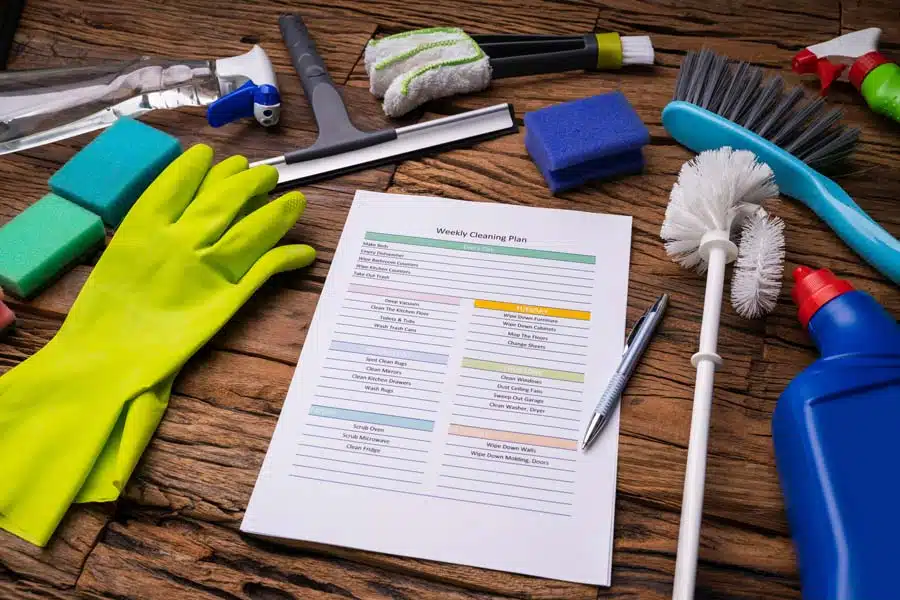
A seasonal clean gives your home a reset that regular weekly tidying just doesn't achieve.
There's a particular kind of satisfaction that comes from a home that has been properly cleaned from top to bottom — not just tidied, but genuinely cleaned. Counters wiped down to the wall. Baseboards free of dust. Windows that let light in the way they should. Most of us feel it, but the gap between wanting it and actually doing it tends to be wide.
Seasonal cleaning is a useful framework for closing that gap. Rather than trying to do everything at once or letting things build up indefinitely, a structured seasonal approach means your home gets thorough attention two to four times a year — without it consuming your entire weekend each time.
This guide lays out a practical approach to seasonal cleaning, room by room. It's not a list of sixty-five tasks. It's a sensible overview of what actually makes a difference.
Why Seasonal Cleaning Matters
Regular weekly cleaning — wiping counters, vacuuming floors, cleaning bathrooms — handles surface-level maintenance well. What it doesn't address is the slower accumulation of dust in high shelves, grease on range hood filters, grime in oven seals, or mildew beginning to form in grout lines.
These things don't cause immediate problems, but they compound over time. A twice-yearly thorough clean addresses them before they become a real issue. It also tends to make your regular cleaning easier, because you're not constantly working around a layer of deeper build-up.
In British Columbia, the two most natural times for seasonal cleaning are spring (March or April, once the weather turns and you can open windows) and fall (September or October, before the colder months when you're spending more time indoors). Many households find that two thorough cleans a year is plenty; others with children, pets, or higher-traffic homes prefer to do a deeper pass four times a year.
Where to Start: A Room-by-Room Approach
The most practical way to approach a seasonal clean is room by room, working top to bottom within each space. This prevents you from dusting shelves after you've already mopped the floor, and ensures you don't miss anything by jumping between areas.
Kitchen
The kitchen tends to accumulate the most build-up and is the right place to start. Work through these areas in order:
- Range hood and filters: Grease accumulates here faster than most people expect. Remove the filter and soak it in hot soapy water, or run it through the dishwasher if it's compatible.
- Oven interior: A genuine oven clean — not just a quick wipe of the obvious spots — involves removing the racks, soaking them separately, and cleaning the interior walls and door seal.
- Refrigerator: Pull everything out, discard what's expired, wipe the shelves and drawers, and clean the door seals where grime tends to collect.
- Cabinet interiors and fronts: Cabinet fronts around handles gather significant grease over time. The interiors are worth a quarterly wipe-down.
- Behind and under appliances: Dust, crumbs, and debris build up behind the fridge and under the stove. Pull them out if possible.
Bathrooms
Bathrooms are usually the most regularly cleaned room in any home, which means the seasonal clean is more about addressing the spots routine cleaning skips than doing a complete overhaul.
- Grout lines: Shower and floor grout discolours gradually. A grout brush with a suitable cleaner makes a noticeable difference.
- Exhaust fans: Remove the cover and clean out the dust. A clogged exhaust fan contributes to moisture problems over time.
- Vanity interiors and medicine cabinets: Empty and wipe down. Discard anything expired.
- Shower curtains and liners: Many can be machine-washed. If yours is showing mildew, this is the right time to replace or wash it.
- Toilet base and behind the toilet: Areas that get missed in quick weekly cleans.
Living Areas and Bedrooms
These rooms tend to accumulate dust in places that are easy to overlook when you're focused on floors and surfaces.
- Ceiling fans and light fixtures: Dust on ceiling fan blades is often significant and redistributes through the air every time the fan runs.
- Baseboards: Wipe down all baseboards throughout the home. It's time-consuming but makes a real visual difference.
- Behind and under furniture: Move sofas, beds, and large pieces to vacuum underneath. Dust accumulates significantly in these areas.
- Blinds and window treatments: Wipe down individual blind slats or, where possible, remove and wash curtains.
- Window sills and tracks: Window tracks collect grime that can be difficult to reach with a standard vacuum.
Storage Areas and Hallways
Closets, hallways, and utility areas often get overlooked during a seasonal clean. Dedicate some time to clearing out and organizing these spaces — it has a surprisingly large impact on how ordered the whole home feels.
A Note on Timing and Effort
A realistic seasonal clean of an average 3-bedroom home takes most people a full day, sometimes two. If you're doing it yourself, it's worth spreading it across a weekend rather than trying to push through in one go. Start with the kitchen and bathrooms — these have the highest impact — and work through the rest at a reasonable pace.
If time is the constraint, prioritize the kitchen and bathrooms for the deep treatment, and do a thorough-but-not-exhaustive pass through the rest of the home. Getting the high-impact areas done properly is better than an incomplete pass everywhere.
Alternatively, booking a professional deep clean once or twice a year takes the major effort off your plate and leaves you with a proper baseline to maintain from.
Maintaining the Work Between Seasons
The value of a seasonal clean is partly in the reset it provides, and partly in how much easier it makes your day-to-day maintenance. Once the grout is properly clean, keeping it clean takes much less effort. Once the oven is properly cleaned, wiping it down after cooking becomes quick and manageable.
The best thing you can do between seasonal cleans is establish a few simple habits: wipe the stovetop after cooking, rinse the sink after use, and address spills when they happen rather than leaving them. These small actions prevent the build-up that makes seasonal cleans feel like such a large undertaking.
A clean home isn't about perfection — it's about a baseline that's comfortable to live in and not overwhelming to maintain. Seasonal cleaning, done thoughtfully and consistently, is one of the most practical ways to keep that baseline in place.
Need Help With Your Seasonal Clean?
Nani Cleaning offers professional deep cleaning services in Richmond, BC and surrounding areas. If a seasonal clean feels like more than you want to take on, we can handle it for you.
Get in Touch